Top Reasons to Enroll Your Child in Piano Lessons
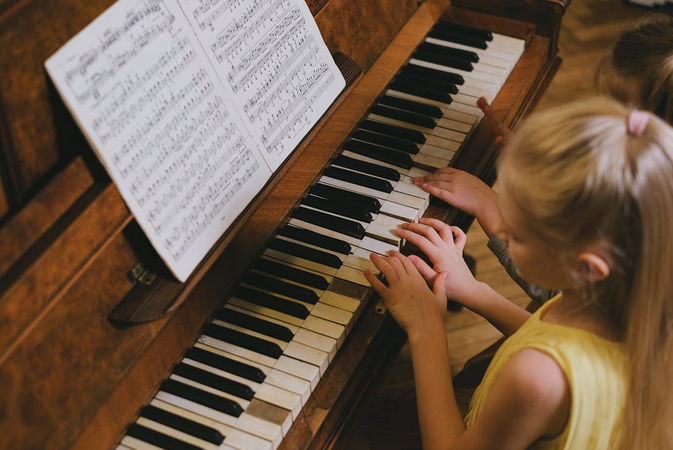
Every parent wants to give their child opportunities that build confidence, sharpen the mind, and encourage creativity. Among the many activities available today, piano lessons stand out as a powerful and lasting investment in a child’s growth. The piano is more than just a musical instrument; it is a tool that develops discipline, focus, and emotional expression. Children who learn to play often gain skills that extend far beyond music, influencing their academic performance and personal development. While some may see it as a hobby, piano training can shape habits and abilities that benefit a child for years. This article explores the top reasons why enrolling your child in piano lessons can be a valuable decision.
Improves Cognitive Development
Learning the piano engages different parts of the brain at the same time. Children must read notes, coordinate both hands, and maintain rhythm, which strengthens memory and concentration. This mental exercise can improve problem-solving abilities and enhance overall thinking skills. Studies have shown that children involved in music tend to perform better in subjects like mathematics and reading. The structured nature of piano practice encourages logical thinking and pattern recognition, both of which are important in academic success.
Builds Discipline and Patience
Piano lessons require consistent practice and gradual improvement. Children quickly learn that progress comes with effort and repetition. This process helps build discipline and teaches them to stay committed even when results are not immediate. Unlike activities that offer instant rewards, learning an instrument takes time. This teaches patience, a valuable life skill. Over time, children develop a stronger work ethic, which can positively influence other areas such as schoolwork and personal goals.
Boosts Confidence and Self-Esteem
As children learn new songs and improve their skills, they begin to feel a sense of accomplishment. Performing in front of others, whether in small family gatherings or formal recitals, helps build confidence. Each milestone achieved, no matter how small, reinforces their belief in their abilities. This growing self-confidence can carry over into other aspects of life, including social interactions and academic challenges. Feeling capable and proud of their progress encourages children to take on new challenges with a positive mindset.

Encourages Creativity and Emotional Expression
Music provides an outlet for emotions that children may not always express in words. Playing the piano allows them to explore different moods and styles, helping them connect with their feelings in a healthy way. Creativity is also nurtured through music. As children become more comfortable with the instrument, they may experiment with melodies and develop their own style. This creative freedom helps them think outside the box and express themselves in ways that go beyond structured learning.
Enhances Coordination and Motor Skills
Playing the piano requires coordination between the hands, eyes, and ears. Children must read music, move their fingers accurately, and listen carefully to the sound they produce. This combination improves fine motor skills and hand-eye coordination. These physical skills are important for overall development. Improved coordination can benefit activities such as writing, sports, and other hands-on tasks. The ability to control movements with precision is a valuable skill that extends beyond music.
Provides Long-Term Enjoyment and Lifelong Skill
Unlike some childhood activities that fade with time, playing the piano is a skill that can last a lifetime. Once learned, it can continue to bring enjoyment and relaxation even in adulthood. Music can serve as a form of stress relief and personal expression throughout life. Children who learn the piano often develop a lasting appreciation for music, which can enrich their experiences and provide a source of comfort during different stages of life.
Enrolling your child in piano lessons offers benefits that go far beyond learning to play an instrument. It supports cognitive development, builds discipline, boosts confidence, and encourages creativity. In addition, it improves coordination and provides a skill that can be enjoyed for years. These advantages make piano lessons a meaningful investment in a child’s growth and future development.
Related Post
How Learning New Languages Can Boost Your Brain Power
Language and culture are deeply intertwined. And, like any skill, learning a new language involves [...]
Why You Should Take an Online Business Diploma
It is no wonder that many of today’s population want to venture into business. Apart [...]