How Gen Z Learns: Inside the Minds of Today’s Students
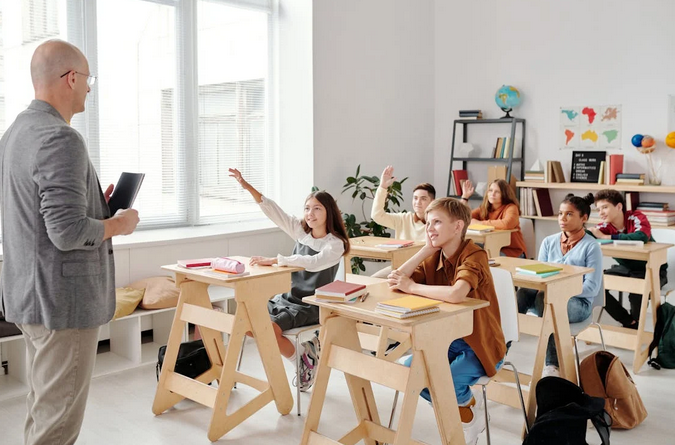
Every generation brings a new twist to education, but Gen Z—born roughly between 1997 and 2012—is rewriting the entire playbook. These students have grown up with smartphones in hand, endless streams of online content, and the ability to Google just about anything in seconds. That kind of access to information shapes not only what they learn, but how they learn.
So, what exactly is going on inside the minds of today’s students? Let’s explore what makes Gen Z learners different—and what educators and parents should know about the way this generation thinks, processes, and thrives.
Learning on Their Terms
Gen Z doesn’t wait around for knowledge to be handed to them. They’re used to taking initiative, often learning through YouTube, TikTok, and online forums before they ever ask a teacher or open a textbook. For them, learning isn’t always about structure—it’s about access and flexibility. They value self-paced options and love platforms that let them rewind, fast-forward, or revisit content when needed. In other words, learning must meet them where they are—not the other way around.
Visual and Interactive by Nature

Forget long lectures and passive note-taking—this generation is built for interaction. Gen Z thrives on video, animation, and gamified learning environments that make concepts come alive. Whether it’s a quick explainer video or a drag-and-drop simulation, the more visual and hands-on the experience, the better. This approach doesn’t just hold their attention—it helps them retain information in a way that feels natural to their digital-first brains.
Hyper-Aware of Mental Health
One of the biggest shifts with Gen Z is their openness about mental health—and how much it affects their learning. Many students today are balancing anxiety, burnout, and the pressures of constant connectivity. They’re not just looking for information; they want support, flexibility, and understanding from their teachers and institutions. They appreciate when mental wellness is part of the academic conversation, and they’re not afraid to push for change when it isn’t.
Collaboration Over Competition
While past generations might have been more individualistic in their approach to education, Gen Z tends to value teamwork and shared learning experiences. They enjoy collaboration, group projects, and digital communities where they can bounce ideas off each other in real time. Whether it’s co-editing a Google Doc or troubleshooting a problem in a group chat, this generation sees learning as something more social than solitary.
Tech-Savvy—But Easily Distracted

It’s no surprise that Gen Z is incredibly tech-savvy. They’ve been swiping, tapping, and typing since early childhood. But while they can navigate apps and platforms with ease, their attention spans often suffer in the process. With constant notifications, social media, and multiple tabs open at once, staying focused can be a challenge. That’s why learning tools that encourage short bursts of activity, interactive content, or microlearning formats are especially effective.
Gen Z is reshaping the way we think about education—not because they’re harder to teach, but because they’re wired differently. They crave flexibility, thrive on visual content, and value mental health and collaboration as much as academics. Understanding how this generation learns isn’t just helpful—it’s essential for anyone trying to teach, mentor, or support them. As technology continues to evolve, so will the learning styles of tomorrow’s students. The key is staying curious, open-minded, and ready to meet them halfway.
Related Post

How Learning New Languages Can Boost Your Brain Power
Language and culture are deeply intertwined. And, like any skill, learning a new language involves [...]
Why You Should Take an Online Business Diploma
It is no wonder that many of today’s population want to venture into business. Apart [...]